TL;DR: A good tripod is just as important as your spotting scope. Stability is key—bigger scopes need sturdier tripods, windier conditions call for heavier setups, and angled scopes let you use shorter (and steadier) legs. Your budget affects how solid the legs are and how smooth the head moves. Invest in the right tripod once, and you’ll enjoy sharper, steadier views for years to come.
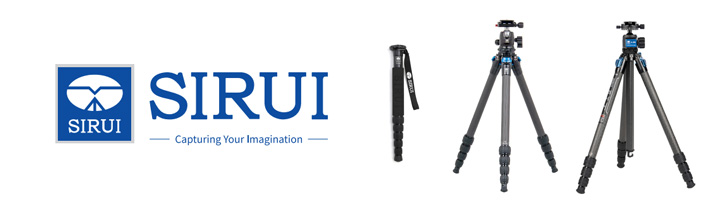
Picking a tripod might not sound as exciting as choosing your new spotting scope—but the truth is, it’s just as important. A good tripod is the foundation that makes your scope shine. Without it, you’ll be fighting shaky views, bouncy pans, and missed details. At Pelee Wings Outfitters, we carry Sirui tripods exclusively because they check all the boxes: stability, smooth movement, and durability (hitting the right price point certainly helps too).
Here are the big factors to keep in mind when choosing your tripod:
1. Stability Comes First
Stability is the number one priority, and everything else—budget, scope size, and even whether you use a straight or angled scope—feeds into it.
Think about where you’ll be using your scope. If you’re tucked into a sheltered blind, you won’t need the same rock-solid stability as someone braving the November gales along the coast. The steadier your setup, the more detail you’ll pull out of your subject. Even a high-end scope won’t deliver if the tripod is bouncing around.
Pro tip: Don’t underestimate wind. A heavier, sturdier tripod will always give you more usable magnification in real-world conditions.
2. Budget
Your budget influences two key things: how stable your tripod legs are, and how smooth the head pans and tilts.
Lesser expensive tripods often have spindly legs that shake in the lightest breeze. Budget heads can also make smooth tracking impossible—your view “jumps” every time you try to follow a bird or pan across a shoreline.
If you’re investing in a quality spotting scope, it’s worth setting aside enough budget for a tripod that matches. A good tripod can easily last through several scopes over the years.
3. Scope Size
The larger and heavier your scope, the sturdier the tripod and head need to be.
For example, a compact spotter on a heavy-duty Sirui ST-224 with the VH-10 head might be overkill, but it would be incredibly stable. On the other hand, putting a full-size 80mm+ scope on a lightweight travel tripod like the Sirui AT-125 is a recipe for frustration—every gust of wind will shake your view.
As a general rule: bigger scopes need bigger tripods. Lightweight tripods are perfect for travel, but they’re best paired with compact optics.
4. Straight vs. Angled Scopes
The style of your spotting scope matters too.
Straight scopes (and binoculars mounted on tripods) need to be positioned higher than angled scopes. That often means extending the center column, but here’s the catch: the higher you raise the column, the less stable your setup becomes. A taller, sturdier set of tripod legs will solve that problem without the wobble.
Final Thoughts
Your tripod isn’t just an accessory—it’s half the equation. Think about where you’ll use your scope most often, what size of scope you’re mounting, and how much you’re willing to invest in stability. Sirui has options for every situation, from lightweight travel tripods to rock-solid platforms for full-size spotting scopes.
If you’re not sure which setup is right for you, stop by our shop or give us a call—we’ll make sure you walk away with a tripod that matches both your scope and your style of birding (or digiscoping!).